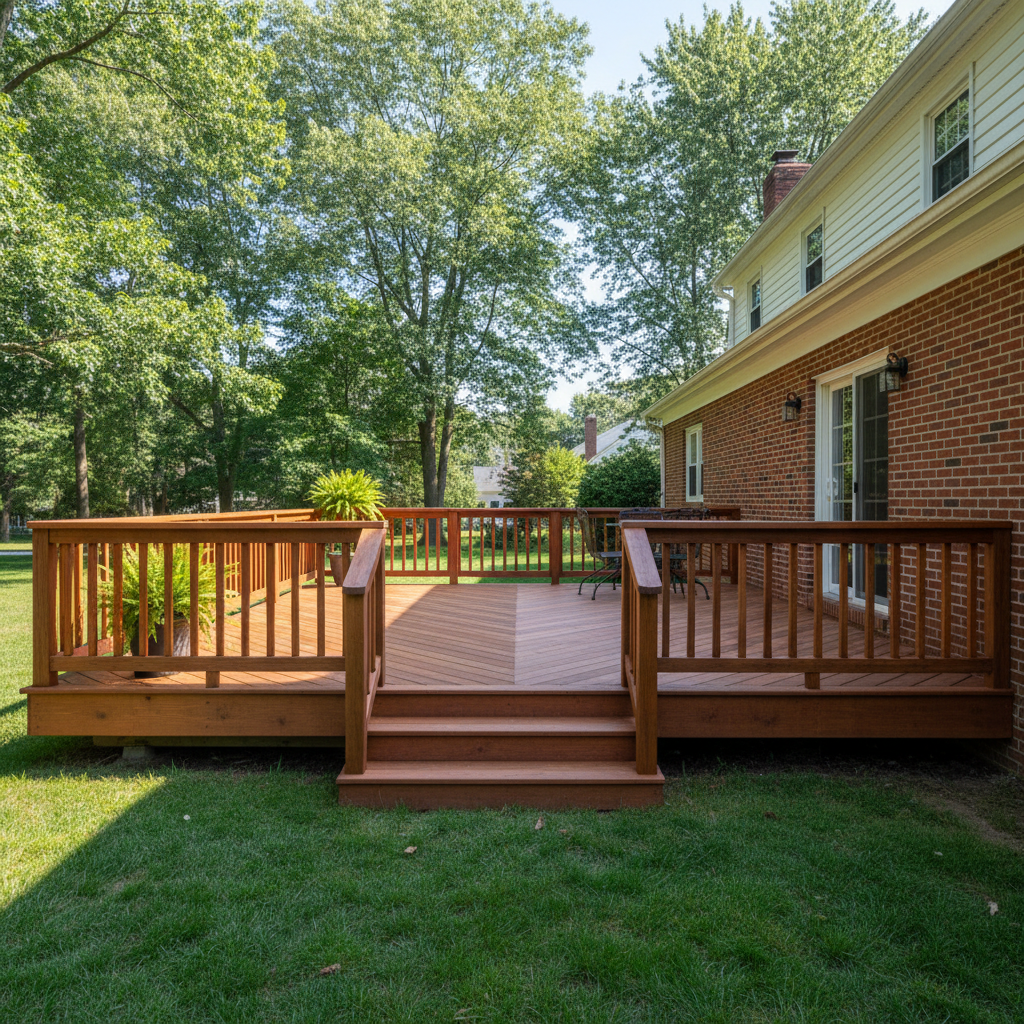
So, you're thinking about a new deck, maybe a nice cedar or pressure-treated pine to soak up those Hamden summers. That's fantastic! A good deck really does add so much to a home. But, having seen enough projects go sideways over my 25 years, I know there are some really common mistakes folks make when they're planning or hiring for a wooden deck. Let's chat about what to look out for.
Mistake #1: Not Getting Specific Enough About Materials
When you say 'wood deck,' what exactly pops into your head? There's a pretty big difference between pressure-treated pine, cedar, redwood, and even some of those exotic hardwoods. Each type has its own look, how long it lasts, what kind of upkeep it needs, and, of course, its price tag. I've had people tell me they want a 'wood deck,' then get total sticker shock when I quote them for cedar, thinking they were getting pressure-treated. Or worse, they pick the cheapest option without really understanding the work involved to keep it looking good.
You just have to know what you're signing up for. Pressure-treated wood is tough, great for the main structure, but it'll splinter and crack more over time if you don't maintain it. Cedar looks amazing, smells wonderful, and naturally resists rot, but it's softer and costs more. Do your homework on the wood itself, okay? Don't just assume 'wood' means the same thing across the board.
Mistake #2: Skipping the Permits (or Assuming the Contractor Handles Everything)
This one's a huge deal, and it can cause some major headaches down the road. For most deck projects in Hamden, you absolutely need a building permit. I'm talking about anything attached to your house, or if it's over a certain height or size. The town of Hamden has specific codes, and they aren't just suggestions; they're there for your safety and to make sure the structure is sound.
Some homeowners think, "Oh, the contractor will handle that." And a good one, like Midway Decking, will — or at least guide you through the process. But ultimately, it's your responsibility as the homeowner to ensure the permit gets pulled and inspections actually happen. If you build without one, you could face fines, be forced to tear it down, or even have trouble selling your house later. Don't risk it. Always ask to see the permit before any work starts.
Mistake #3: Focusing Only on the Lowest Bid
Look, I get it. Money matters. Everyone wants a good deal. But a deck isn't like buying a gallon of milk. You're building an outdoor structure that needs to be safe, durable, and last for years. If a quote comes in way lower than everyone else's, that should raise a red flag, not make you jump for joy.
Why is it so cheap? Are they cutting corners on materials? Are they not licensed and insured? Are they planning to skip permits? Are they paying their crew under the table? A low bid often means low quality, or worse, a contractor who disappears halfway through the job. You're not just paying for wood and nails; you're paying for expertise, proper construction, insurance, and, well, not having to worry. Ask for detailed breakdowns of costs, not just a lump sum. Compare apples to apples, always.
Mistake #4: Not Checking References or Insurance
This pretty much goes hand-in-hand with the low bid problem. Before you sign anything, you need to check out your contractor. Ask for references – and actually call them. Ask about their experience, how they handled unexpected issues, if they stayed on schedule and budget. Go look at their previous work if you can, it's worth the drive.
And this is super important: ask for proof of liability insurance and workers' compensation insurance. If a worker gets hurt on your property and your contractor isn't insured, guess who could be on the hook? That's right, you could be. It's not the most fun conversation to have, but it's absolutely necessary. Any reputable contractor won't hesitate to provide this documentation.
Mistake #5: Ignoring Drainage and Foundation Issues
A deck needs a solid foundation, full stop. In Hamden, especially in areas with clay soils like parts of Spring Glen or Whitneyville, proper footings are crucial. You can't just plop posts on the ground. They need to go below the frost line to prevent heaving when the ground freezes and thaws. If your contractor isn't talking about proper footings, or how water will drain away from your house and under the deck, that's a problem.
Water is wood's worst enemy. You want to make sure the ground under your deck slopes away from your house and that there's good airflow to prevent moisture buildup, which leads to rot. A good contractor will address these site-specific details in their plan, you know, the stuff that really matters for longevity.
Mistake #6: Not Having a Clear Contract
A handshake might be fine for some things, but definitely not for a deck project. You need a written contract that spells out everything: the exact materials being used, the total cost, payment schedule, start and completion dates, who's responsible for permits and cleanup, warranty information, and what happens if there are changes or delays. Don't leave anything to assumption.
If it's not in the contract, it might not happen. This protects both you and the contractor, which is how it should be. Read it carefully, ask questions, and don't sign until you understand and agree to every single point.
Building a deck should be an exciting project, not a stressful one. By avoiding these common mistakes, you'll be well on your way to enjoying your new outdoor space for years to come.