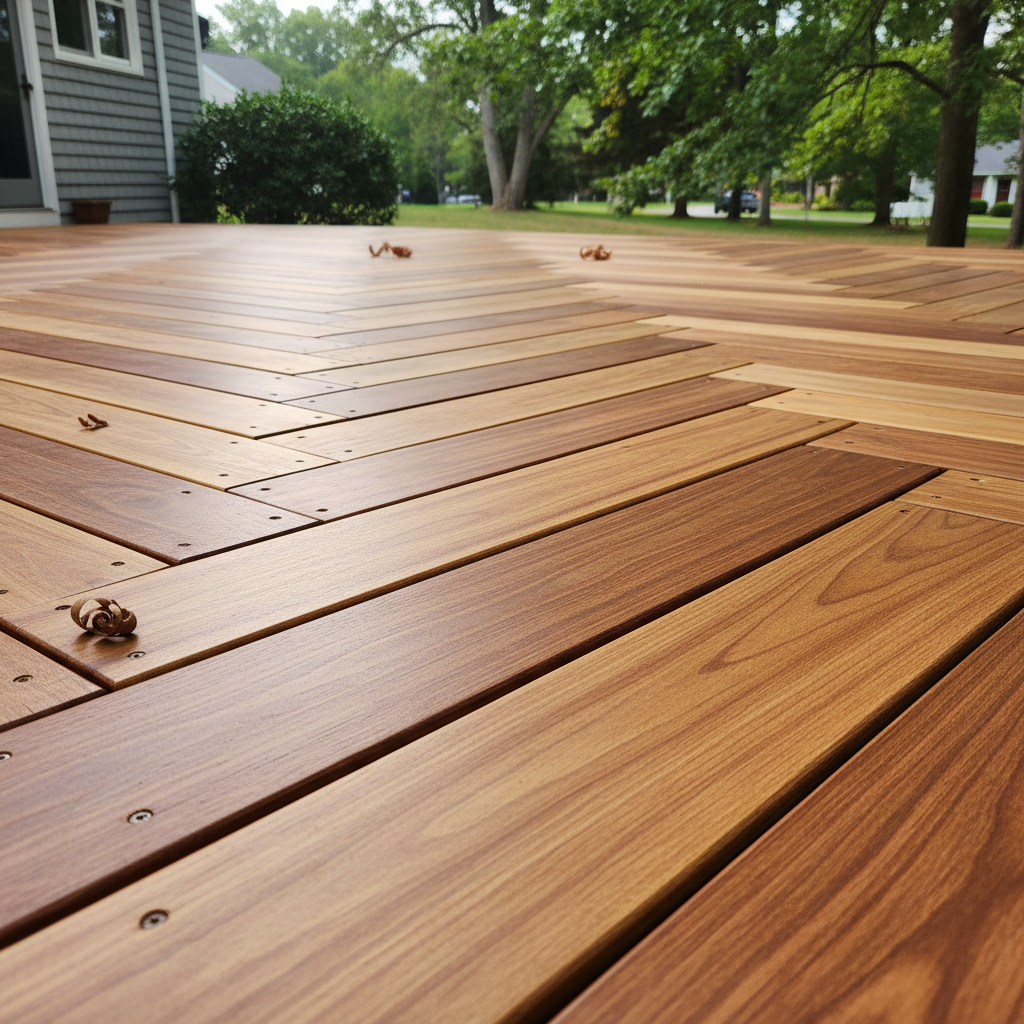
My Deck Feels Spongy or Has Soft Spots. What's Going On?
If your deck feels spongy, especially after a good rain or during those sticky Hamden summers, that's a big red flag. Usually, it means you've got wood rot. This can happen for a few reasons: maybe the drainage isn't great, or there isn't enough air circulating under the deck, or sometimes it's just plain old age and wear. Water gets trapped, and over time, it just breaks down the wood fibers. This isn't just about looks, you know? Rot actually messes with the deck's structure. If it's only a few boards here and there, we can often just swap those out. But if the rot is widespread, especially in the joists or support posts, then you're looking at a much bigger repair job, or even a full rebuild.
How Do I Know if My Deck Needs Repair or a Full Replacement?
This is probably the question I hear most often. It really comes down to how bad the damage is and what's causing it. If you've just got a few splintered boards, some loose railings, or the stain's faded, those are definitely repair jobs. We can easily replace boards, tighten up fasteners, or put on a fresh coat. But if you're seeing rot all over the framing (that's the stuff underneath the deck boards), significant sagging, or if the ledger board (the piece that connects the deck to your house) is compromised, then we're talking about a replacement. Here's a good rule of thumb I tell folks: if the repair cost starts getting close to 50-75% of what a new deck would run you, you're usually better off putting that money towards a fresh start. We'll always do a thorough inspection first to give you an honest assessment.
Can You Fix a Wobbly Railing or Stair?
Absolutely, most of the time. A wobbly railing or stair is a safety hazard, plain and simple. Often, it's just loose fasteners, or the wood around those fasteners has softened up a bit. We can re-secure posts, replace any damaged balusters, or reinforce the connections. Sometimes, if the post itself is rotted at the base, we might need to replace the whole thing. For stairs, it could be loose stringers, treads, or risers. We'll get in there, tighten everything up, and make sure it's solid. Don't put this off; a fall just isn't worth it.
What's the Deal with Popped Nails or Screws?
You'll see this a lot, especially on older decks built with regular nails or screws that weren't hot-dipped galvanized or stainless steel. Wood naturally expands and contracts with temperature and humidity changes – and boy, do we get plenty of that here in Hamden, from freezing winters to muggy summers. This constant movement can push fasteners right out. Also, if the deck wasn't properly fastened to begin with, or if the wood has started to rot around the fastener, they'll pop up. We can re-secure them, often using stronger, corrosion-resistant deck screws that hold much better. Sometimes, though, it's a sign that the deck boards themselves are just getting old, and the wood simply isn't holding fasteners like it used to.
My Deck's Ledger Board Looks Bad. Is That a Big Problem?
Yes, that's a very big problem. Honestly, it's one of the most critical areas to inspect. The ledger board is what connects your deck directly to your house. If it's rotted, pulling away, or wasn't flashed correctly, your entire deck could be at risk of collapsing. Water getting behind the ledger can also cause serious damage to your home's rim joist and foundation. This isn't a DIY fix for most homeowners. It requires careful siding removal, proper flashing, and secure attachment to the house's framing. If your ledger board looks compromised, call someone like us at Midway Decking immediately. Seriously, don't wait on this one.
How Long Do Deck Repairs Usually Take?
That really depends on the scope of the work. A few popped nails or replacing a single board might only take a few hours. Replacing a section of railing or a set of stairs could be a day or two. If we're talking about extensive rot in multiple joists or a ledger board replacement, that's a more involved project, potentially several days. I'll always give you a clear timeline after I've had a chance to assess the damage. We work efficiently, but we never cut corners, especially when it comes to safety and structural integrity.
Can I Repair a Composite Deck?
You bet. While composite decks are known for being super durable and low maintenance, they aren't totally immune to issues. You might see a cracked board from an impact, faded sections, or sometimes even problems with fasteners if they weren't installed correctly. The good news is that composite boards are usually pretty easy to replace individually, assuming you can find a matching color and profile – which is why I always recommend keeping a few spare boards if you can. Unlike wood, you won't deal with rot, but you might have issues with mildew if you don't clean it regularly, or warping if it wasn't installed properly. Most composite deck repairs are just straightforward board replacements or fixing fastener issues.