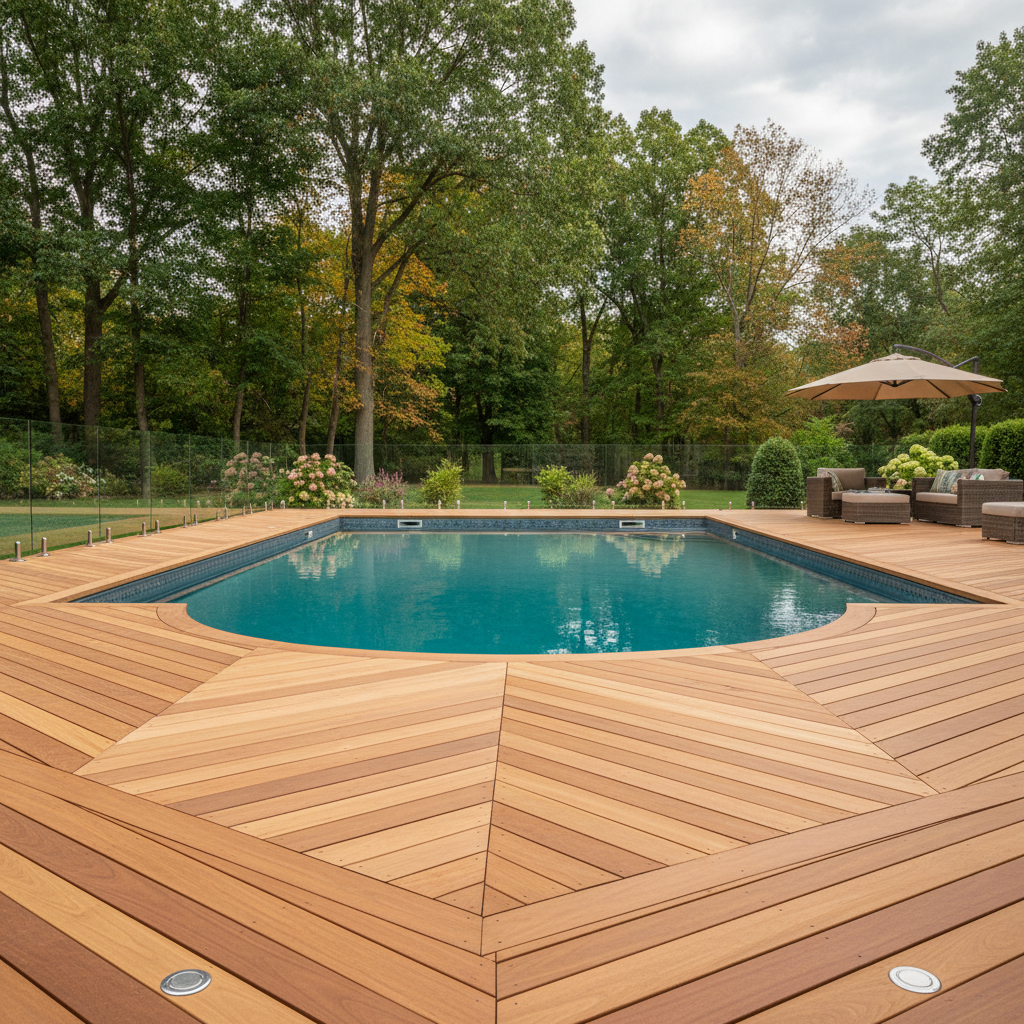
You want a pool deck that lasts, right? Especially here in Hamden, where we get all four seasons throwing everything they've got at our outdoor spaces. Building a pool deck isn't just about picking out materials; it's about timing, understanding the weather, and protecting your investment year-round. I've seen a lot of decks come and go, and I can tell you, planning for our specific climate makes all the difference.
When's the Best Time to Build Your Hamden Pool Deck?
So, when should you actually get that pool deck project going? My advice is always to think about it in the off-season. Most folks start dreaming of a new deck when the sun's out and they're already using their pool. That's fine for dreaming, but it's not ideal for scheduling or getting the best results, trust me.
Here's why:
- Fall/Winter Planning: This is prime time to get your design nailed down, pick out materials, and get on a contractor's schedule. You're not competing with everyone else who waited until spring. Plus, you can often get better pricing on materials and labor when demand isn't through the roof.
- Early Spring Construction: If you plan in the fall or winter, we can often start building as soon as the ground thaws and the weather becomes consistently workable. We're talking late March, early April. This means your deck will be ready to go by Memorial Day, or at least early summer, giving you a full season to enjoy it. Trying to squeeze in a build in June or July means you're losing precious pool time, and nobody wants that.
- Avoid the Peak Season Rush: Everyone wants their deck done in May. If you're calling me then, you're likely going to be waiting, and frankly, my crew and I are stretched thin. Getting ahead of the curve means a smoother process for everyone involved.
How Hamden's Weather Affects Pool Deck Work
Our weather here in Hamden, especially with those crazy temperature swings we get, really dictates when and how we can work. It's not just about rain; it's about temperature, humidity, and even ground conditions.
- Temperature Swings: We can have a 60-degree day in March and then a freezing night. This isn't great for things like concrete curing or certain adhesives. We need consistent temperatures, usually above 40-50 degrees Fahrenheit, for most of the work, especially for things like setting posts and pouring concrete footings.
- Rain and Moisture: Obviously, you can't build a deck in a downpour. But it's more than that. Too much moisture can affect wood stability, make composite decking slick and hard to work with, and turn your yard into a muddy mess. We need dry conditions for proper site prep and installation. Those heavy spring rains we get around the Sleeping Giant area can really slow things down if we don't plan around them.
- Ground Conditions: Our soil here, often a mix of clay and loam, can get pretty saturated in the spring. Digging footings in a swamp isn't just unpleasant; it can compromise the stability if not done correctly. We need the ground to be firm enough to support equipment and ensure proper foundation work.
Protecting Your Pool Deck Investment Year-Round
Once Midway Decking builds your beautiful new pool deck, you'll want to keep it looking great and performing well for years. It's not a set-it-and-forget-it deal, especially with a pool nearby.
- Winterizing is Key: Don't just close the pool and forget the deck. Clear off all furniture, grills, and anything else that can trap moisture or snow. If you've got a wooden deck, make sure it's clean and free of leaves or debris that can hold water against the surface. Standing water and ice are enemies of any deck material, period.
- Chemical Exposure: Pool chemicals are harsh. Be mindful of splashes and spills. Rinse them off immediately. Over time, even diluted pool water can degrade certain finishes or materials. Consider a good sealant for wooden decks to help repel these chemicals.
- Regular Cleaning: Throughout the year, a simple sweep and occasional wash with a mild detergent (check with your decking manufacturer for specifics) will do wonders. Get rid of dirt, pollen, and algae buildup. This isn't just for looks; it prevents slippery surfaces and extends the life of your materials.
- Inspect for Damage: After winter, give your deck a thorough inspection. Look for loose fasteners, cracked boards, or any signs of rot (on wood decks). Catching small issues early prevents them from becoming big, expensive problems down the road.
A pool deck is a big investment and a huge part of your outdoor living. By understanding the seasons, our local weather quirks, and putting in a little year-round care, you'll ensure it stays a beautiful, safe spot for your family and friends for a long time.