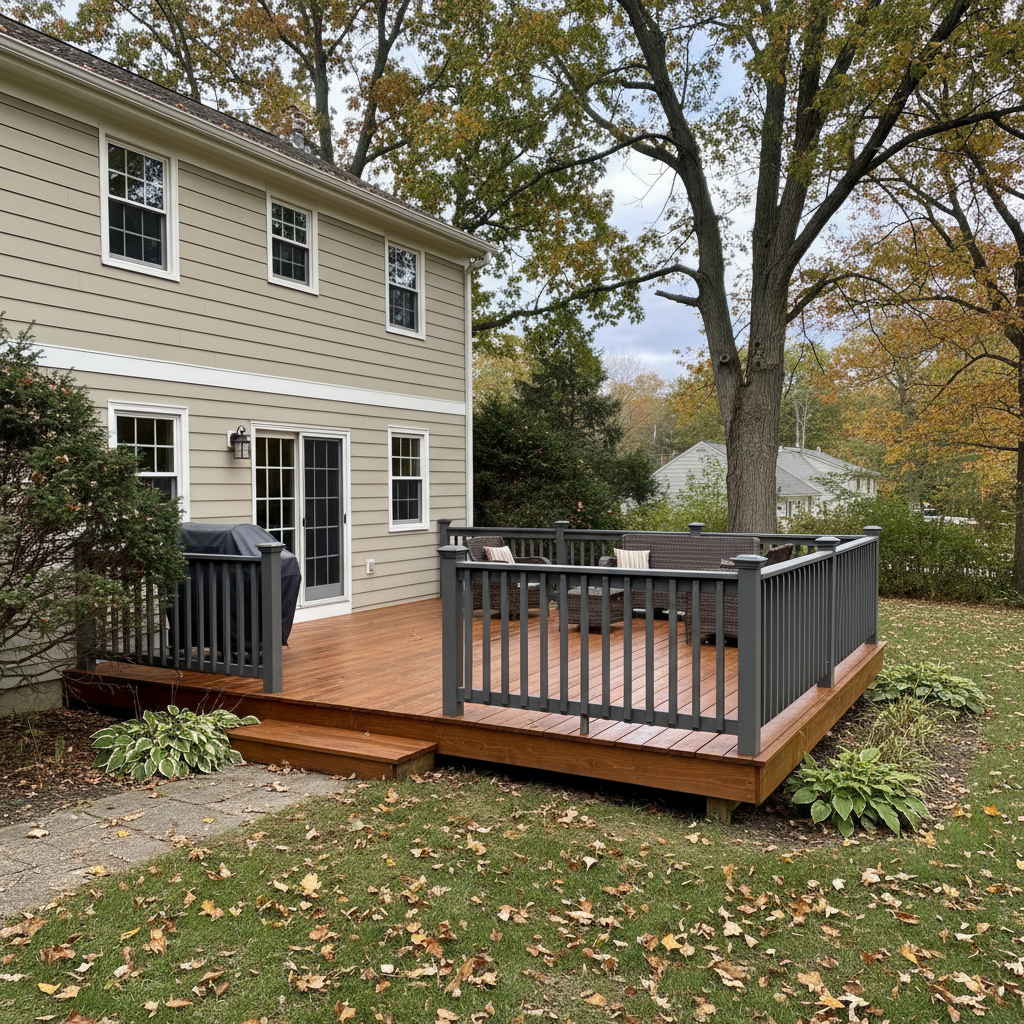
You've got a deck, and you want it to look good, right? And you want that fresh paint or stain to actually last. Well, around here in Hamden, getting the timing right for that work isn't just a good idea, it's absolutely crucial. Our Connecticut weather can be brutal on anything outdoors, and if you don't play by its rules, you're basically just throwing money away.
When's the Best Time to Paint or Stain Your Deck?
Forget what the calendar says; the thermometer and hygrometer are your real guides here. Generally, I tell folks the sweet spot for deck painting or staining in Hamden is late spring or early fall. Think May through early June, or September through early October. Why then, you ask?
Consistent Temperatures: You really need a good stretch of days where the temperature stays between 50 and 85 degrees Fahrenheit. That's not just for when you're putting the stuff on, but for a few days after too. If it gets too cold, the paint or stain won't cure properly. Too hot, and it dries way too fast, which leads to brush marks, poor adhesion, and a short life for your finish.
Lower Humidity: High humidity is a real killer for paint and stain. It slows down drying time, which means your deck stays tacky longer, attracting dust and pollen, and increasing the risk of mildew. Aim for days with humidity below 70%. Our summers, especially July and August, can be incredibly humid — sometimes it feels like you're swimming through the air. That's usually a no-go for this kind of work.
Less Rain: This one's obvious, but super important. You need at least 24-48 hours of dry weather after you apply the finish, sometimes more depending on the product. Spring showers and sudden summer thunderstorms are common around here, so you've got to watch the forecast like a hawk. I've seen too many jobs get ruined by an unexpected downpour, and it's just heartbreaking.
So, while you might be itching to get it done as soon as winter breaks, hold off until those consistent warmer, drier days arrive. And don't push it too late into the fall either, because those overnight temps can drop fast, even if the daytime is still pleasant.
Weather Conditions That'll Ruin Your Day (and Your Deck Finish)
It's not just about temperature and rain; other factors play a big role:
Direct Sunlight: Painting or staining in direct, scorching sunlight is a bad idea, period. The surface gets too hot, and the product dries too quickly, not allowing it to penetrate or level properly. This leads to peeling and a patchy finish. Try to work in the shade, or plan your day around the sun's movement. Early morning or late afternoon are often best.
Wind: A gentle breeze is fine, even helpful for drying. But strong winds? They'll blow dust, leaves, and all sorts of debris onto your wet deck, embedding it right into your fresh finish. Plus, it can make spray applications impossible and even cause some products to dry too fast on the surface.
Dew Point: This is a sneaky one. Even if it's not raining, if the temperature drops below the dew point overnight, moisture will condense on your deck surface. Applying paint or stain to a damp surface, even if it looks dry, will cause adhesion problems. Always check the dew point forecast and make sure your deck has plenty of time to dry out before evening, or plan to start later in the morning after any dew has evaporated.
Year-Round Protection for Your Investment
Once you've got that fresh coat on, you want to protect it, right? It's not just a one-and-done deal, especially with our Hamden seasons. We get everything from heavy snowfalls that sit for weeks, to humid summers, and then those freezing and thawing cycles in spring and fall that really work on wood.
Here's what I recommend:
Keep it Clean: Regular sweeping and occasional washing with a mild deck cleaner will prevent dirt, grime, and mildew from building up. Don't let leaves sit on your deck all winter; they trap moisture and can stain the finish. Especially if you're in an area like Whitneyville with lots of mature trees, you'll be sweeping a lot of leaves, trust me.
Check for Damage: Do a quick inspection a couple of times a year. Look for any peeling, cracking, or areas where the finish is wearing thin. Catching these early means you can do a small touch-up instead of a full re-do.
Snow Removal: While you don't need to shovel every flake, try to keep heavy, wet snow from sitting on your deck for extended periods. Use a plastic shovel to avoid scratching the surface. And whatever you do, don't use rock salt on your deck; it'll destroy the finish and can even damage the wood.
Reapply as Needed: Depending on the product you used and how much sun exposure your deck gets, you'll need to reapply stain or paint every 2-5 years. Don't wait until it looks terrible; reapply when you notice the finish starting to fade or show signs of wear. That's how you keep it looking sharp and protect the wood underneath.
Look, a deck is a big investment, and keeping it protected from our crazy Connecticut weather is just smart. If you've got questions about your specific deck project or need a hand getting it done right, you know Midway Decking is always here to help. We've been doing this for a long time, and we know what works around here.